
What Is Impetigo?
Impetigo commonly affects children under five but can also occur in adults. This skin infection causes red sores or blisters that ooze for a few days before forming a honey-colored crust. These sores typically appear around the nose and mouth but may also develop on the face, arms, or legs. The sores can feel itchy or mildly painful.
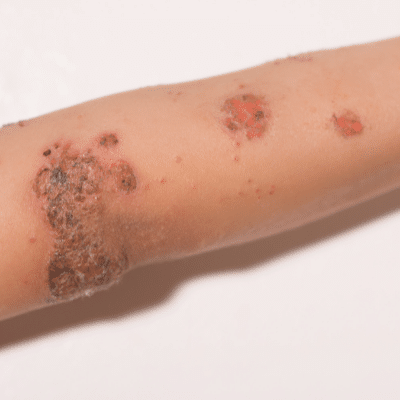 The most common type of impetigo, nonbullous impetigo, involves small red sores. Less common types include bullous, which causes larger, fluid-filled blisters, and ecthyma, a more serious form with painful, pus-filled sores that may look purple.
What Causes Impetigo?
Staph or strep bacteria cause this skin infection, which spreads quickly among children in close contact. The infection often begins when bacteria enter a cut, scratch, or break in the skin. Certain factors increase the risk of impetigo, including warm climates, diabetes, weakened immune systems, eczema, psoriasis, lice, chickenpox, or insect bites.
Treatment
Contact a doctor immediately if you suspect impetigo in your child. Early antibiotic treatment helps heal the infection and prevents complications. Doctors may prescribe topical creams, ointments, or oral antibiotics for deeper infections. Keep your child at home for at least 24 hours after starting antibiotics to reduce contagion risk.
With proper treatment, this skin infection usually resolves within one to two weeks. Untreated cases, especially those caused by staph bacteria, may lead to more severe infections.
Tips for Preventing Skin Infections
Preventing skin infections begins with good hygiene and proper wound care. Encourage your child to wash their hands frequently, especially after outdoor activities or contact with others. Keep fingernails trimmed to minimize scratching and reduce the spread of bacteria. Clean any cuts, scrapes, or insect bites immediately and cover them with a bandage to protect the skin. Teach your child the importance of not sharing personal items like towels, clothing, or sports gear to avoid spreading germs.
When to Visit the Doctor Quickly
Some skin conditions may require urgent medical care. If sores spread quickly, cause severe pain, or your child develops a fever, contact the doctor promptly. Watch for symptoms like swollen lymph nodes, increasing redness, or discharge from wounds, as these could indicate a more serious infection. Addressing these signs early helps ensure effective treatment and reduces the risk of complications like deeper infections or other health issues.
We’re Here to Help
Contact Beach Kids Pediatrics to schedule your appointment today! Visit us online or call us at (757) 806-8880